Aden Suwal on Fashion, Film, and Finding His Creative Voice: A Conversation with a Multidisciplinary
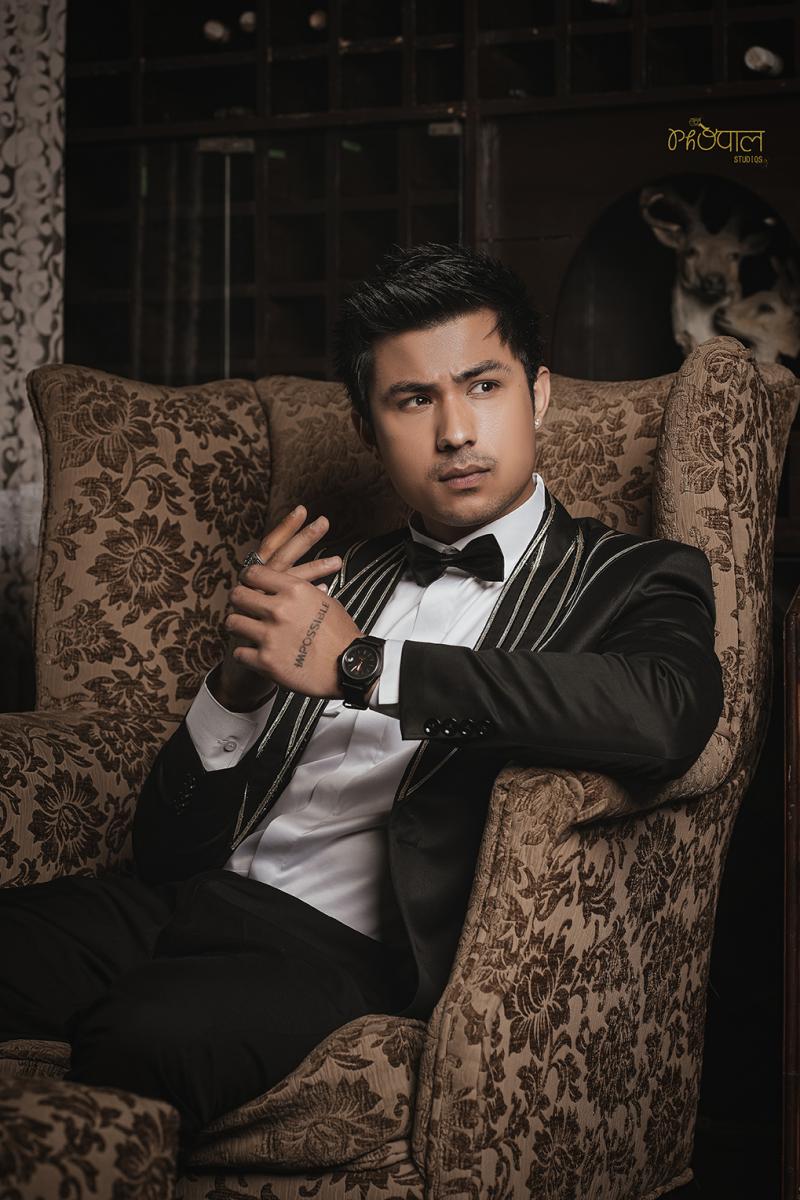
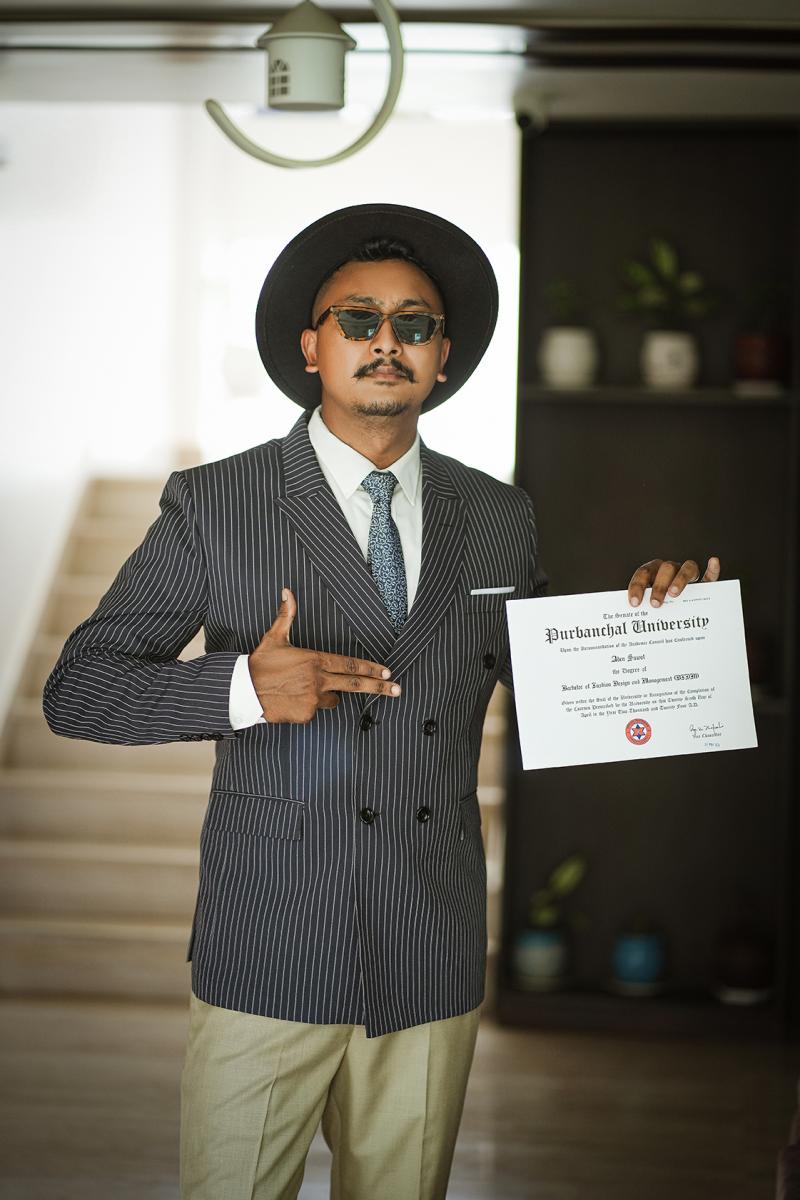
In Nepal’s evolving creative landscape, where fashion, media, and digital storytelling are increasingly intertwined, a new generation of creatives is shaping how stories are told and experienced. Among them is Aden Suwal- a fashion design graduate, visual storyteller, and co-founder of a creative production studio- PHOPAL.
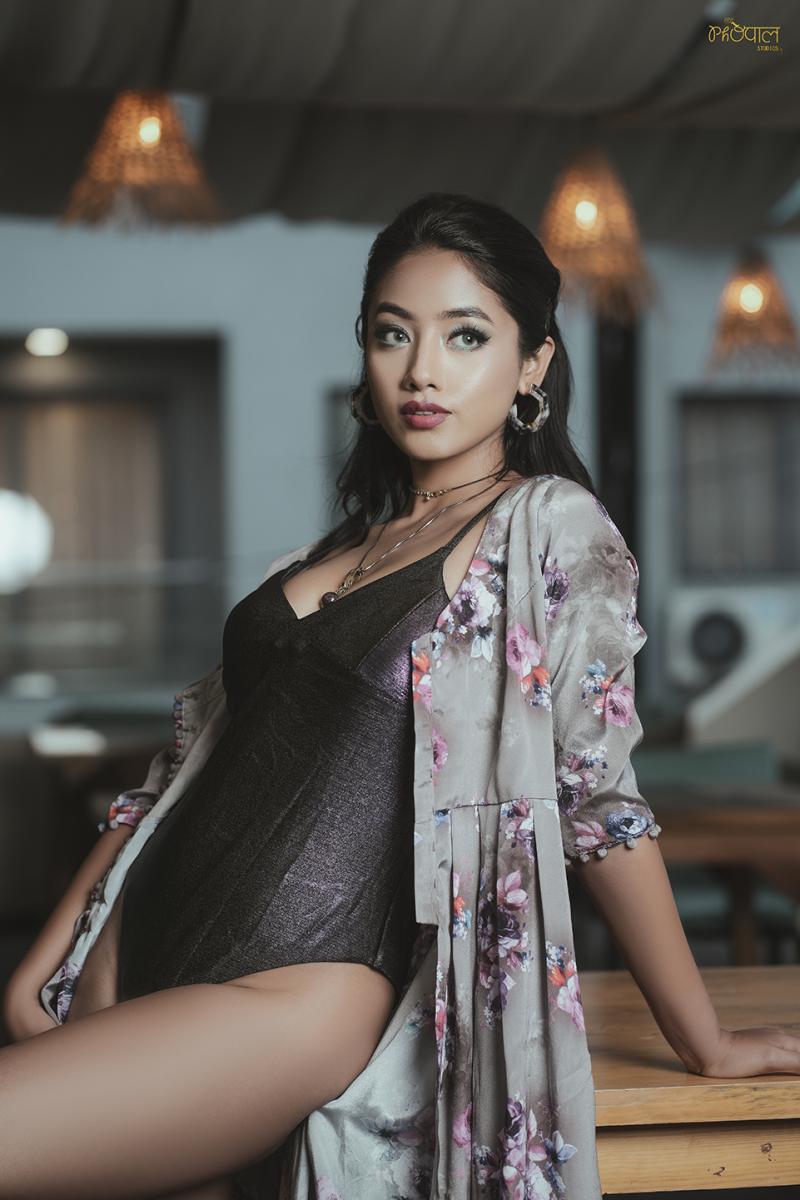
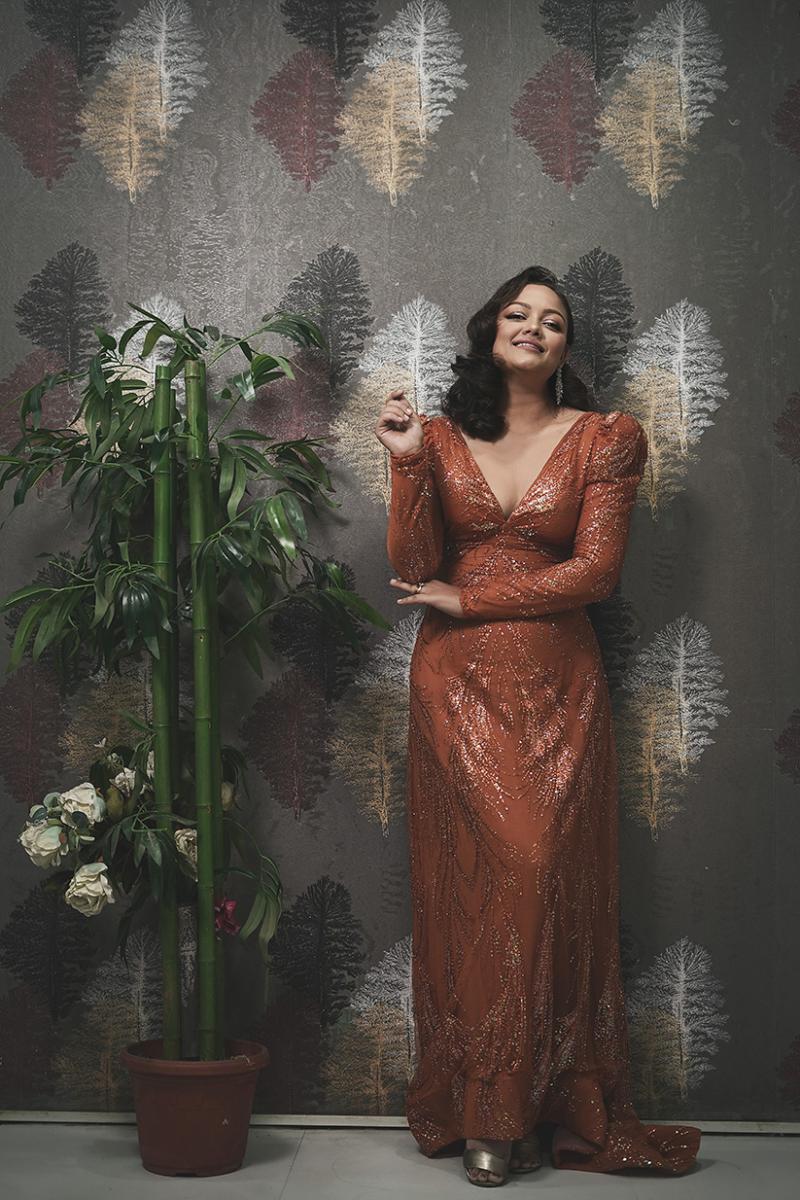
With a career that spans fashion design, photography, videography, and major modeling platforms such as Model Hunt Nepal, Glam Nepal, Mister Nepal, and Miss Nepal, Aden represents a multidisciplinary approach that is becoming increasingly relevant in today’s fashion industry.
In this conversation, he reflects on his journey -from studying fashion design to building a career in fashion cinematography and visual storytelling.
Q: Let’s start from the beginning -how did your journey into fashion begin?
My journey into fashion started quite organically. I’ve always been drawn to creativity, but choosing to study fashion design gave that interest a clear direction. During my Bachelor’s in Fashion Design, I was introduced to the fundamentals- understanding fabrics, learning how garments are constructed, and exploring how ideas are translated into wearable forms.
What stood out to me during that time was how fashion goes beyond clothing. It carries identity, culture, and emotion. When you design something, you’re not just creating a product - you’re communicating something.
That realization stayed with me. Even today, whenever I’m working on a shoot, I don’t just see the outfit - I think about the idea behind it, the intention of the designer, and how it should be experienced visually.
Q: How did you transition from fashion design into photography and videography?
The transition happened gradually rather than as a planned shift. While studying fashion, I became increasingly interested in how designs are presented. I noticed that the way a garment is photographed or filmed can completely change how it is perceived.
I started experimenting with photography during that phase - initially just to document designs and styling. But over time, I became more involved in the process itself- framing, lighting, composition, and eventually storytelling through visuals.
Videography came in as a natural extension. Fashion is not static- it moves, it flows, it reacts to light and environment. Video allowed me to capture that dimension more effectively.
Eventually, I realized that visual storytelling was not separate from fashion - it was another way of practicing it.
Q: You’ve worked on major platforms like Model Hunt Nepal, Glam Nepal, Mister Nepal, and Miss Nepal. What was that experience like?
Working on those platforms has been one of the most defining parts of my journey so far. These are high-energy environments where everything is happening at once - models preparing backstage, designers presenting their collections, and the overall pressure of delivering a large-scale event.
As a cinematographer and photographer, your role goes beyond documentation. You need to anticipate moments - the way a model walks, how a garment moves under stage lighting, or how the audience reacts.
It’s also a space where collaboration is very important. You’re working alongside designers, stylists, choreographers, and production teams. Being part of that ecosystem teaches you how to adapt quickly while still maintaining your creative perspective.
Most importantly, it strengthened my understanding of fashion in motion - how garments behave on the runway, how styling comes together in real time, and how to translate all of that into visuals that feel authentic.
Q: How does your background in fashion design influence your work behind the camera?
I think it influences almost everything I do. Having studied fashion design, I naturally pay attention to details that might not always be obvious -like how a fabric falls, how a garment is structured, or how different elements of styling interact.
When I’m shooting, I’m not just focusing on the subject as a whole. I look at how the outfit is performing -whether the silhouette is being represented well, whether the movement is captured naturally, and whether the overall visual aligns with the designer’s intent.
It also helps me communicate better with designers and stylists. I understand their language, their concerns, and what they want to highlight. That makes the entire creative process more collaborative and meaningful.
Q: You are also the co-founder of Phopal Studios. How did that come about?
Phopal Studios came from the idea of creating something more structured and collaborative. Initially, most of the work I was doing was individual, but as projects grew, it became clear that working as a team would allow us to take on more complex and diverse work.
The studio gave us that platform. It allowed us to bring together different skills -photography, videography, editing, and creative direction -under one space.
Through Phopal Studios, we’ve worked on a range of projects, from weddings and events to fashion shoots and creative campaigns. It has also helped me grow beyond just the creative aspect -managing projects, communicating with clients, and maintaining consistency across different types of work.
Q: Alongside your studio, you’ve also launched your own clothing brand. What inspired that?
Fashion has always been at the core of what I do, so starting a clothing brand felt like a natural continuation of that journey. While photography and videography allow me to interpret fashion, having a brand allows me to create it directly.
The idea behind the brand is to explore identity and expression through clothing while keeping it rooted in local production. It’s still evolving, but it gives me a different kind of creative space -one where I’m not just capturing visuals but also shaping the product itself.
It also creates a stronger connection between my roles. When I work on fashion shoots, I’m able to approach them not just as a visual creator but also as someone who understands the design process firsthand.
Q: How do you balance being a fashion designer, cinematographer, and entrepreneur?
It can be demanding at times, but I don’t see these roles as separate. They all come from the same place- creativity.
Fashion design, cinematography, and running a studio are all different forms of expression and problem-solving. Each one informs the other. My design background influences how I shoot, and my experience in visual storytelling influences how I think about presenting fashion.
Over time, I’ve learned to manage them in a way that they complement each other rather than compete.
Q: What does “visual storytelling” mean to you?
For me, visual storytelling is about capturing something real and translating it into a form that people can connect with. It’s not just about aesthetics - it’s about meaning.
Every project has a story, whether it’s a wedding, a fashion show, or a simple shoot. My role is to observe, understand, and present that story in a way that feels honest and engaging.
Sometimes it’s about subtle details - a movement, an expression, or a moment that might otherwise go unnoticed.
Q: Looking ahead, how do you see your work evolving, especially in the fashion field?
I see myself continuing to explore the relationship between fashion and visual storytelling. There’s still so much to experiment with - especially in how fashion is presented through video and digital platforms.
I’m also interested in developing more concept-driven work, where everything - from design to visuals - is part of a larger narrative.
At the same time, I want to keep learning and evolving. The creative field is always changing, and staying open to that change is important.
A Creative Journey Still Unfolding
Aden Suwal’s journey reflects a growing shift in Nepal’s creative landscape - one where boundaries between disciplines are becoming more fluid. His work sits at the intersection of fashion design, modeling culture, and cinematography, offering a perspective that is both practical and creative.
From working on major fashion platforms to building his own studio and clothing brand, his path highlights the importance of adaptability and continuous exploration.
As fashion continues to evolve alongside digital media, creatives like Aden are helping shape how stories are told - not just through garments, but through images, motion, and meaning.